
Manage your cookies preferences

Please select which cookies you are willing to store.

Performance cookies Always enabled

These cookies will allow us to collect statistical and anonymised data, such as how long users stay on a page or which links are clicked, to ultimately improve Greenpeace.org and provide you with a better experience of our website. The acceptance of these cookies will also allow you to hide the cookies acceptance banner.

In addition to the Statistical cookies mentioned above, we may also place in your browser cookies from third-party services (e.g. Facebook or Google) to track the effectiveness of our online marketing strategies and to deliver adverts more relevant to you and your interests. These cookies may also be used to serve advertising to you after you have left our site (retargeting cookies).

This site works great in a cookie-free experience. To make it better, however, we use some cookies. You can read the Privacy Policy and change your cookies settings anytime.

📚 Create Content > Patterns > Page Header

Purpose: A page header is used at the top of the topic pages and pages where it makes sense to show it (Campaign pages, Take action). It acts as a heading and it tells the user what the page is about.

Getting started

In any page, when adding a new element, type “page header” to search or go to “patterns to locate it among the many available ones. Then, you can select between the two layouts where the image can be placed on the left or right. (see the gif below 👇 )
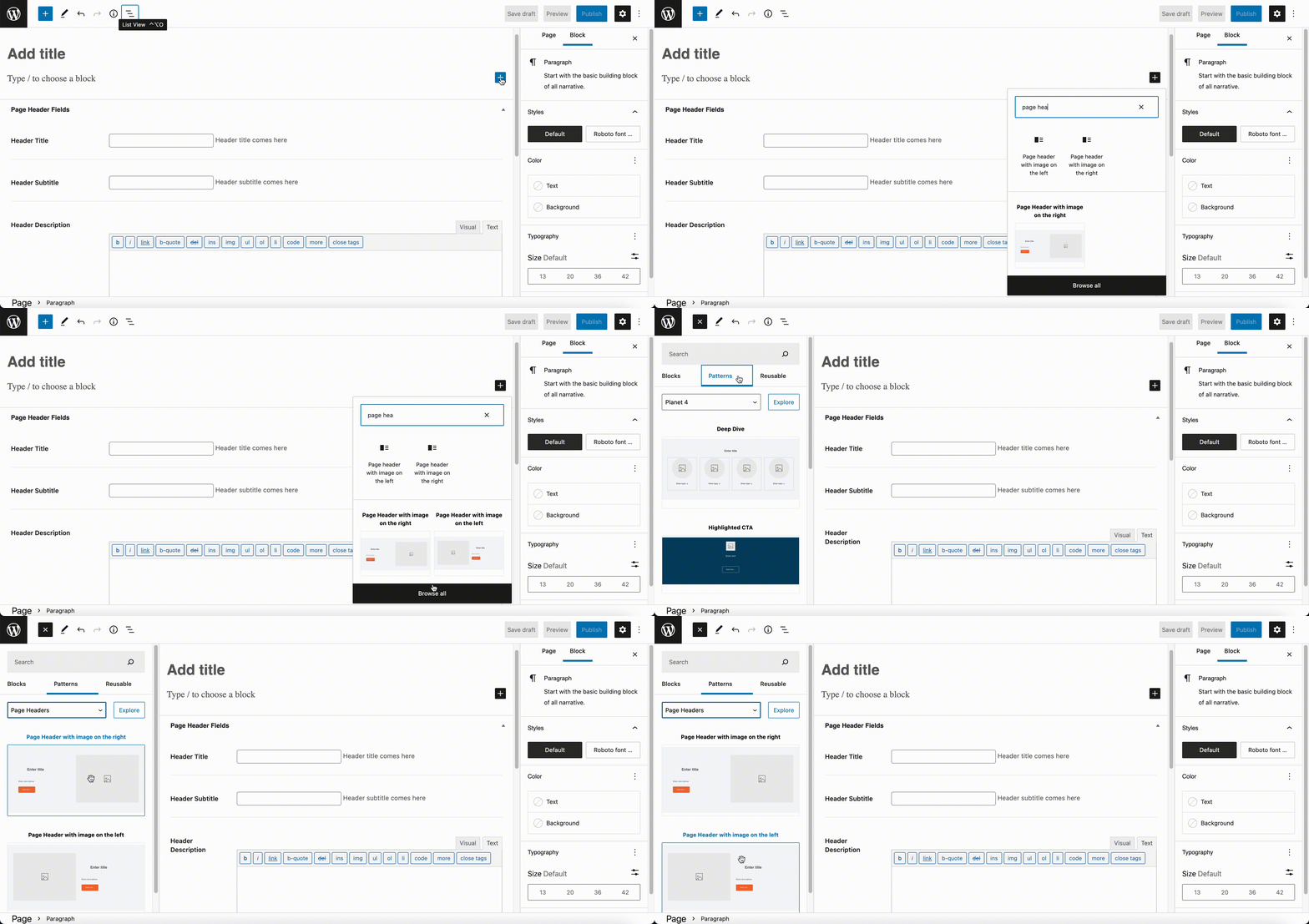
Locating the page header pattern

The page header works with WYSIWYG. It contains the title of the page, a description, and an optional call to action button.
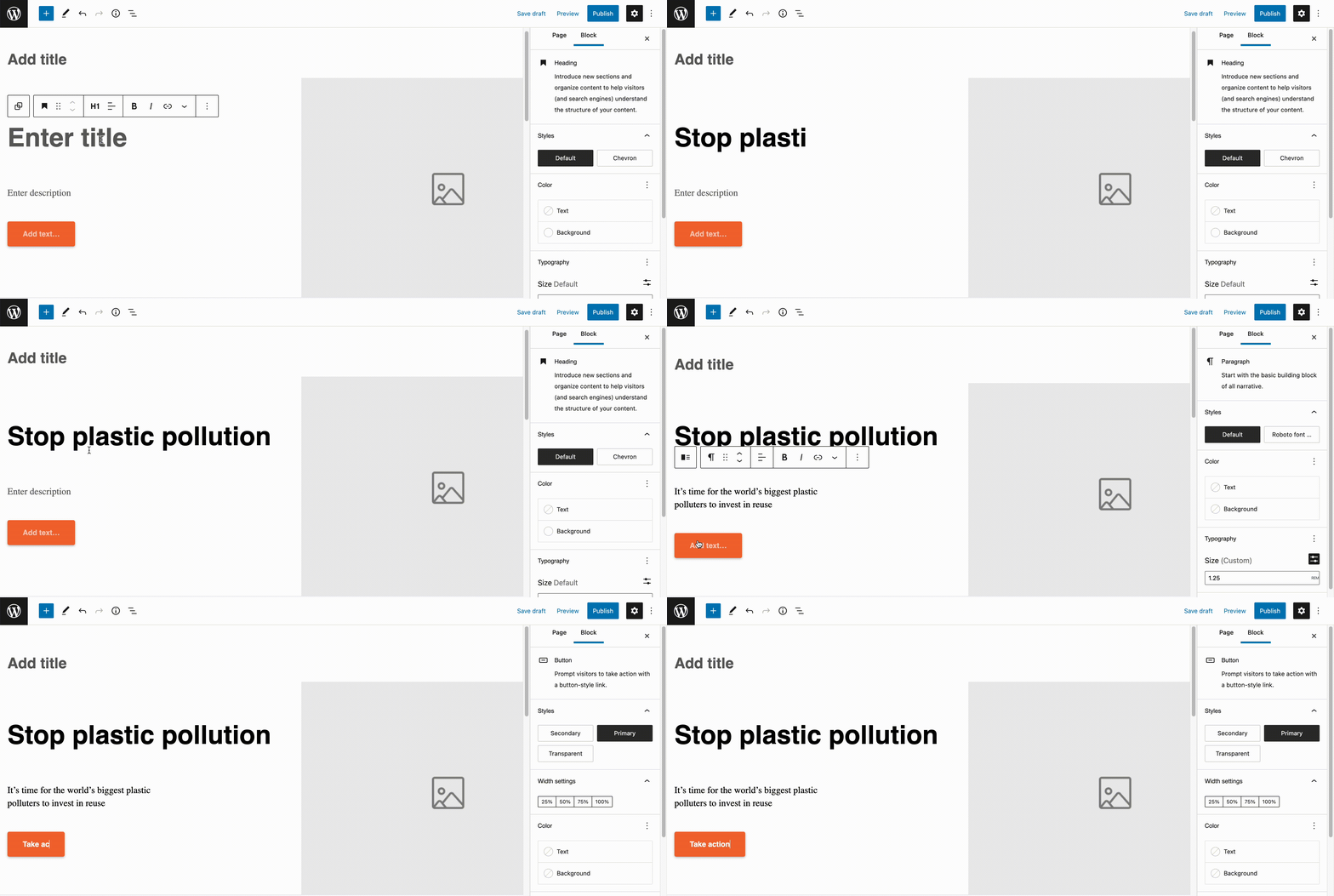
The visual editor of the Page header

And this is how the block looks like when all fields are populated 👇
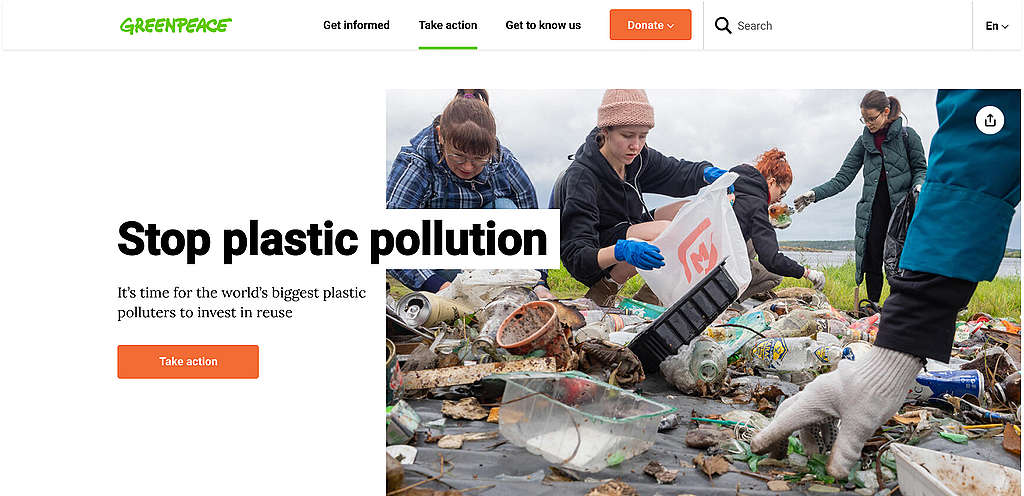
With Parallax

Or with the Parallax effect enabled 👇

Was this helpful?

Yes
No
Thanks for your feedback!